What to take away
- Mediterranean-style eating can use familiar, inexpensive foods.
- Build meals around overlapping staples and realistic preparation time.
- Keep expectations evidence based and adapt medical restrictions.
General education for adults. AI assisted content; not professionally medically reviewed. Sources are linked throughout. For advice about your health, speak with a qualified clinician. Our editorial policy.
Understand the pattern before buying products
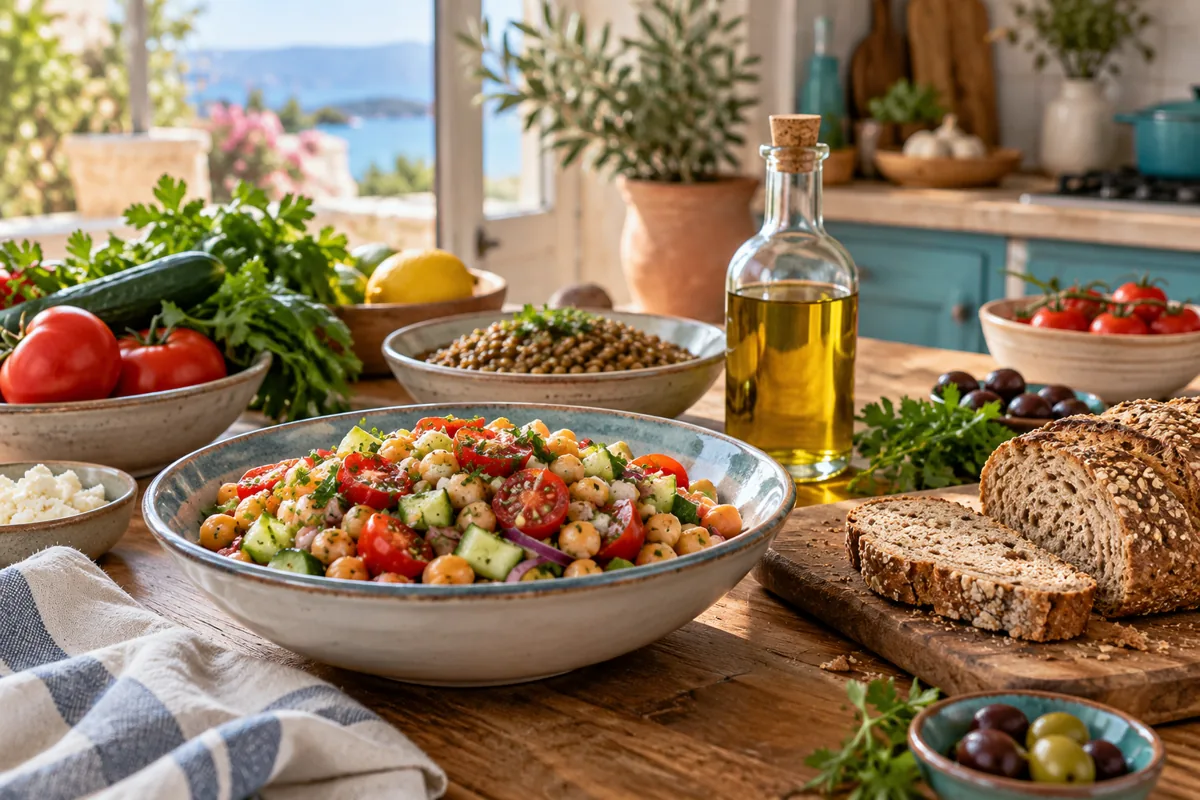
Mediterranean-style eating is a flexible pattern rather than a branded meal kit. It commonly features vegetables, fruit, grains, beans, nuts, and oils, with fish and other foods depending on preference. The National Institute on Aging describes Mediterranean-style eating as one of several healthy dietary patterns. [1]
You do not need imported ingredients, an expensive supplement, or wine to begin. Adapt the principles to the foods you know and can obtain. Rice and beans, vegetable stews, oats, or a fish meal can all be useful building blocks. Start with the structure of your meals rather than a list of supposedly mandatory ingredients.
Keep the evidence in proportion
A named diet is not a guarantee against heart disease, cancer, or other illness. Research findings depend on the people studied, the comparison diet, and whether the study can establish cause and effect. An association between an eating pattern and a health outcome does not mean every component independently caused that result.
For everyday decision making, focus on what is concrete: a varied meal pattern, affordable ingredients, and a routine you can keep. The wider context matters too, including medicines, smoking, physical activity, sleep, and access to care. Do not start drinking alcohol because an older description of Mediterranean eating includes wine. The eating pattern can be followed without alcohol, and no beverage is needed to make a meal legitimate.
Create a short budget shopping list
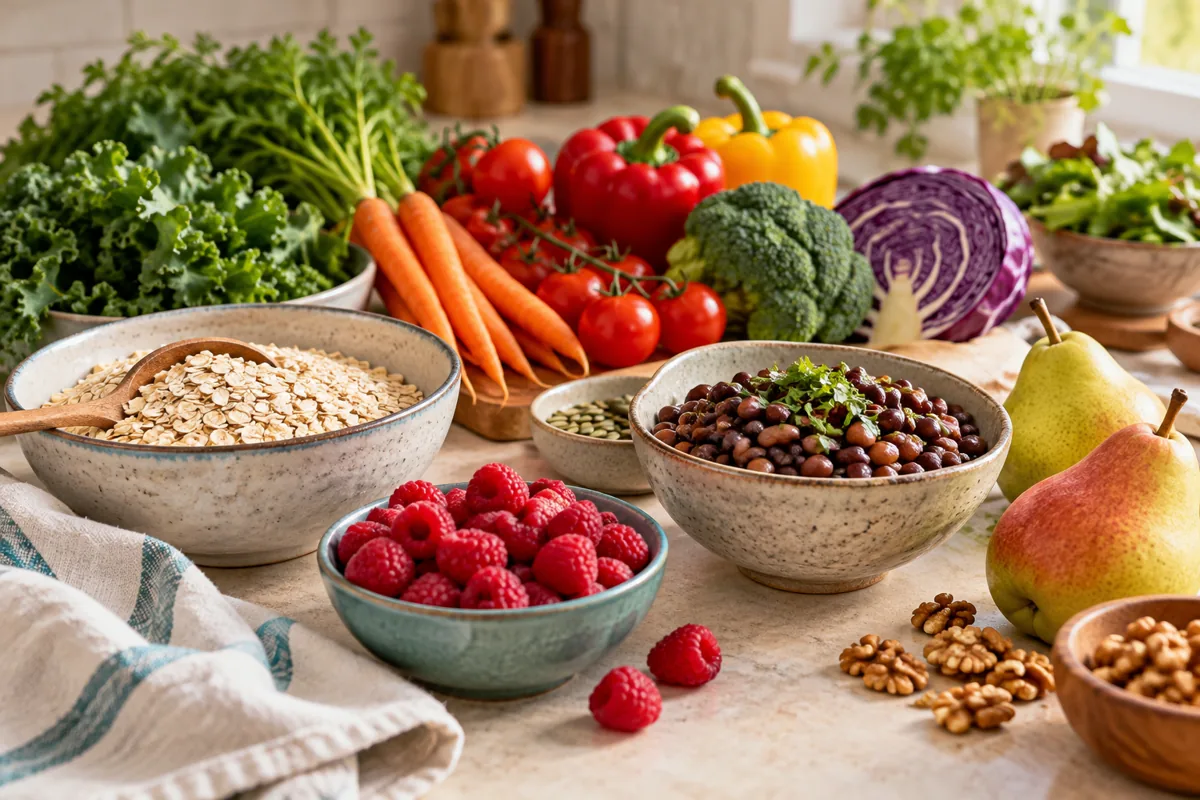
Choose a handful of overlapping staples: oats or another whole grain, lentils or beans, frozen vegetables, seasonal fruit, and a cooking oil you can afford. Add a protein option suited to your household, such as eggs, tofu, fish, or poultry. Compare unit prices and account for food you will actually finish.
A larger package is not a bargain if you cannot store it safely or it goes unused. Canned beans save preparation time; dried beans may work better when you have the equipment and time. Both can fit. Rinse or choose lower sodium canned foods when useful for your plan, but do not let an ideal shopping list prevent you from buying practical food.
Plan three repeatable meals
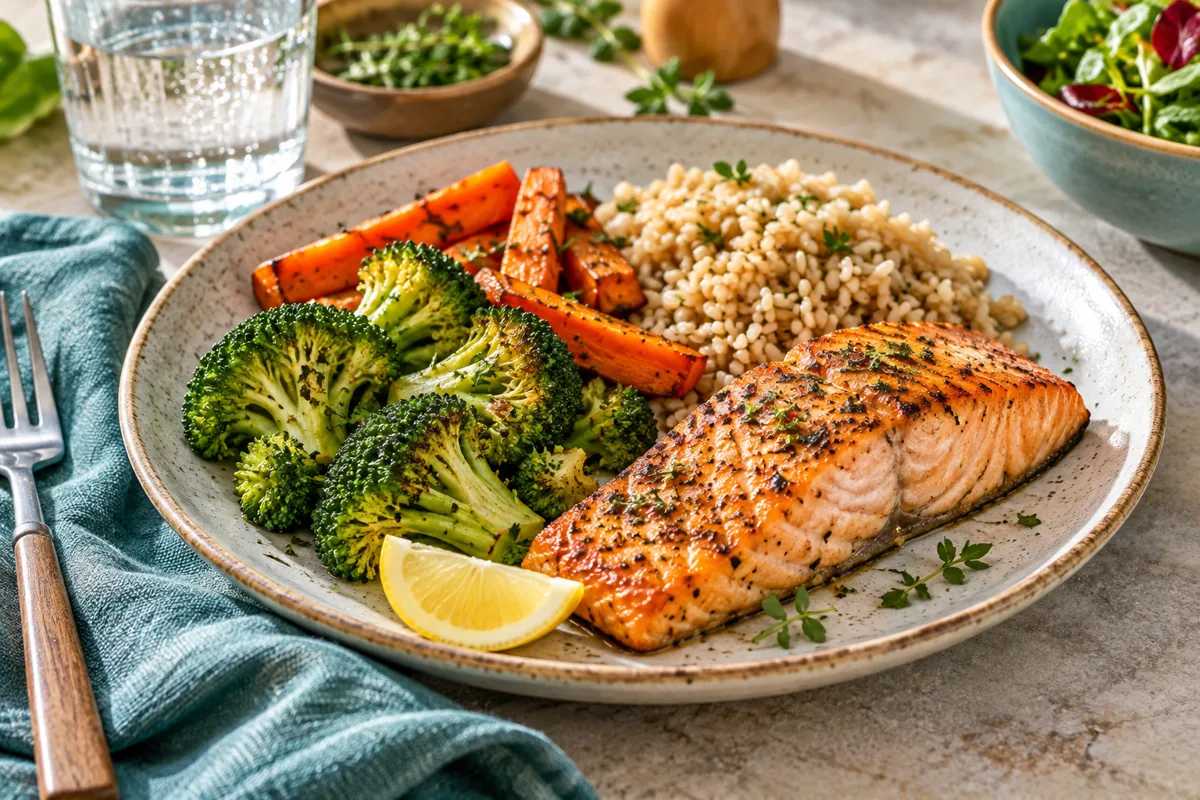
Breakfast could be oats with fruit and a suitable milk or yogurt. Lunch could be a bean and vegetable bowl with rice or another grain. Dinner could be a simple vegetable stew with lentils, or fish with potatoes and vegetables. Season these meals with familiar herbs, spices, citrus, or other flavors.
These examples are flexible meal ideas, not individualized prescriptions. For a busy week, cook one base ingredient and use it differently: lentils in a soup, a bowl, and a filling. Keep sauces separate if that improves variety. You can also use existing family meals and adjust one component, such as adding vegetables or including beans more often, without changing your entire cuisine.
Change the shopping routine, not just the menu
WHO’s nutrition guidance emphasizes variety and the broader food environment. [2] Make that practical by checking your kitchen before shopping, planning around foods already available, and choosing ingredients that share uses. A photo of the refrigerator can help you avoid duplicate purchases.
Set a time limit for meal preparation. If the plan only works when you spend every Sunday cooking for hours, simplify it. Keep one pantry based dinner and one no-cook option ready. DASH offers another established, flexible approach using ordinary foods; you can learn from its structure without combining multiple strict diet rules. [3] A realistic routine should fit work, caregiving, and your financial circumstances.
Try one week and personalize safely
Choose two breakfasts, two lunches, and two dinners you would willingly repeat. Write the ingredients, estimated cost, and backup option for each. At the end of the week, review what you ate, what went unused, and which meals were easiest. Adjust those details before making the plan more ambitious.
Food allergies, kidney disease, digestive conditions, diabetes medication, and other circumstances may change suitable foods or portions. Ask a registered dietitian or clinician for individual guidance where needed. Budget challenges are practical constraints, not a personal failure. Food assistance and community resources may be more helpful than another recipe. The objective is a nourishing pattern you can sustain, with room for tradition, enjoyment, and ordinary life.
Common practical questions
Must my meals look Mediterranean?
No. You can apply the broad principles using your own cuisine and familiar ingredients. Consider how vegetables, beans, grains, and appropriate protein sources already appear in your meals. Seasoning and presentation can reflect your culture. Avoid assuming that imported foods or a particular recipe are required for a useful eating pattern.
What should I buy first?
Start with what is missing from meals you already plan to make. Choose one versatile ingredient you can use twice rather than buying a large unfamiliar list. Write the two meals before shopping, check what you have, and estimate the amount you will use. That makes the experiment more informative and reduces the chance of unused ingredients.
Want to understand your meals in numbers? Explore the macro calculator and meal planner. Tracking is optional and may not suit everyone.
Sources & references
- National Institute on Aging: Healthy Meal Planning: Tips for Older Adults. Content reviewed November 23, 2021. Source link checked October 11, 2026.
- World Health Organization: Healthy diet. January 26, 2026. Source link checked October 11, 2026.
- NHLBI: DASH Eating Plan. Updated February 25, 2026. Source link checked October 11, 2026.
Research can change. These sources support the claims cited in this article, rather than every suggested example. Our action plans are adaptable editorial examples.

Maya Rivera
A fictional editorial persona for My Wealthy Body’s nutrition coverage, translating sourced guidance into approachable meals and everyday food choices.
Fictional editorial persona · AI generated portrait · No clinical credentials